
Business & Economy
he Two-Speed Global Economy: How AI Spending Is Masking Energy Shocks
Nazmul Islam · Nov 26, 2026
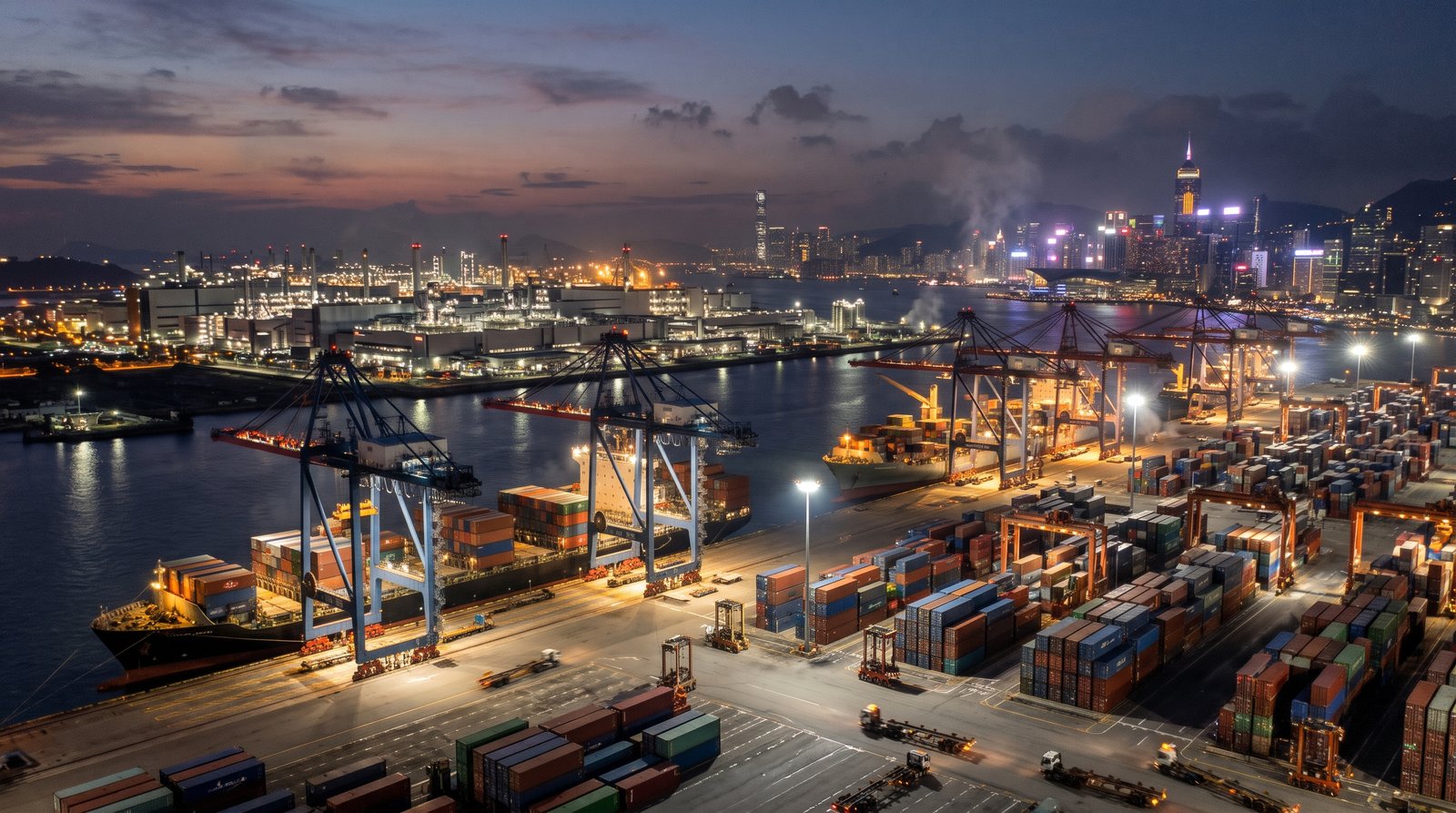
Look at headline GDP numbers across major financial capitals today, and the global economy appears surprisingly resilient. Look beneath the surfaceâÂÂat factory floors, household grocery bills, and shipping lanesâÂÂand a very different picture emerges.
We are living through a two-speed global economy 2026: an unprecedented wave of artificial intelligence capital expenditure is pulling tech-heavy economies and hardware exporters forward, while persistent energy shocks, geopolitical chokepoints, and elevated borrowing costs weigh heavily on traditional industries.
One Economy Running on Silicon, Another Struggling With Energy
For decades, global economic cycles moved roughly in syncâÂÂwhen energy prices spiked or trade friction escalated, manufacturing, consumer spending, and corporate investment slowed down together. That historical correlation has fractured.
On one track sits the AI and semiconductor ecosystem. Massive multi-year capital commitments from U.S. hyperscalers and sovereign AI programs have created an industrial boom that operates largely independent of everyday consumer sentiment. On the other track sits the traditional physical economyâÂÂlogistics, heavy manufacturing, retail, and energy-importing householdsâÂÂstill absorbing supply-chain friction and commodity volatility.
⢠Fast Track (AI & Digital Infrastructure): Driven by hyperscaler CapEx, high-bandwidth memory, AI servers, and sovereign cloud buildouts; faces power grid bottlenecks, high customer concentration, and rising bond debt. ⢠Slow Track (Traditional & Energy-Sensitive): Driven by domestic services and selective infrastructure spending; faces maritime chokepoint risks, sticky energy costs, and tighter consumer credit.
AI Hardware Exporting Countries Growth vs. Energy Importers
Nowhere is this economic divergence clearer than in international trade balances. Economies positioned at the center of the AI hardware exporting countries growth waveâÂÂparticularly Taiwan, South Korea, and specialized assembly hubs across Southeast AsiaâÂÂhave seen export volumes surge on relentless demand for advanced logic chips, packaging, and AI server racks.
In contrast, energy-importing industrial economies in Europe and parts of Asia face a much tighter margin for error. Geopolitical tensions around critical maritime corridorsâÂÂespecially risks surrounding Strait of Hormuz oil supply impact and Red Sea shipping reroutesâÂÂkeep freight insurance, liquefied natural gas (LNG), and industrial feedstock costs structurally elevated.
When a single region captures billions in high-margin semiconductor exports while another pays a geopolitical premium just to keep factories powered, global growth stops being uniform and becomes deeply uneven.
AI Boom vs. Global Inflation: Why Central Banks Face a Dilemma
This structural split complicates every decision made by central bankers at the Federal Reserve, the European Central Bank, and the Bank of England.
In a typical slowdown, falling consumer demand cools prices and gives policymakers room to cut interest rates aggressively. Today, the AI boom vs. global inflation dynamic pulls monetary policy in opposite directions:
Disinflationary Productivity Promise: Tech leaders argue that enterprise AI adoption will eventually lower unit labor costs and boost corporate efficiency across software, finance, and logistics.
Inflationary Physical Buildout: In the short term, building gigawatt-scale data centers competes directly with traditional industries for copper, electrical transformers, skilled construction labor, and grid electricityâÂÂpushing industrial input prices higher.
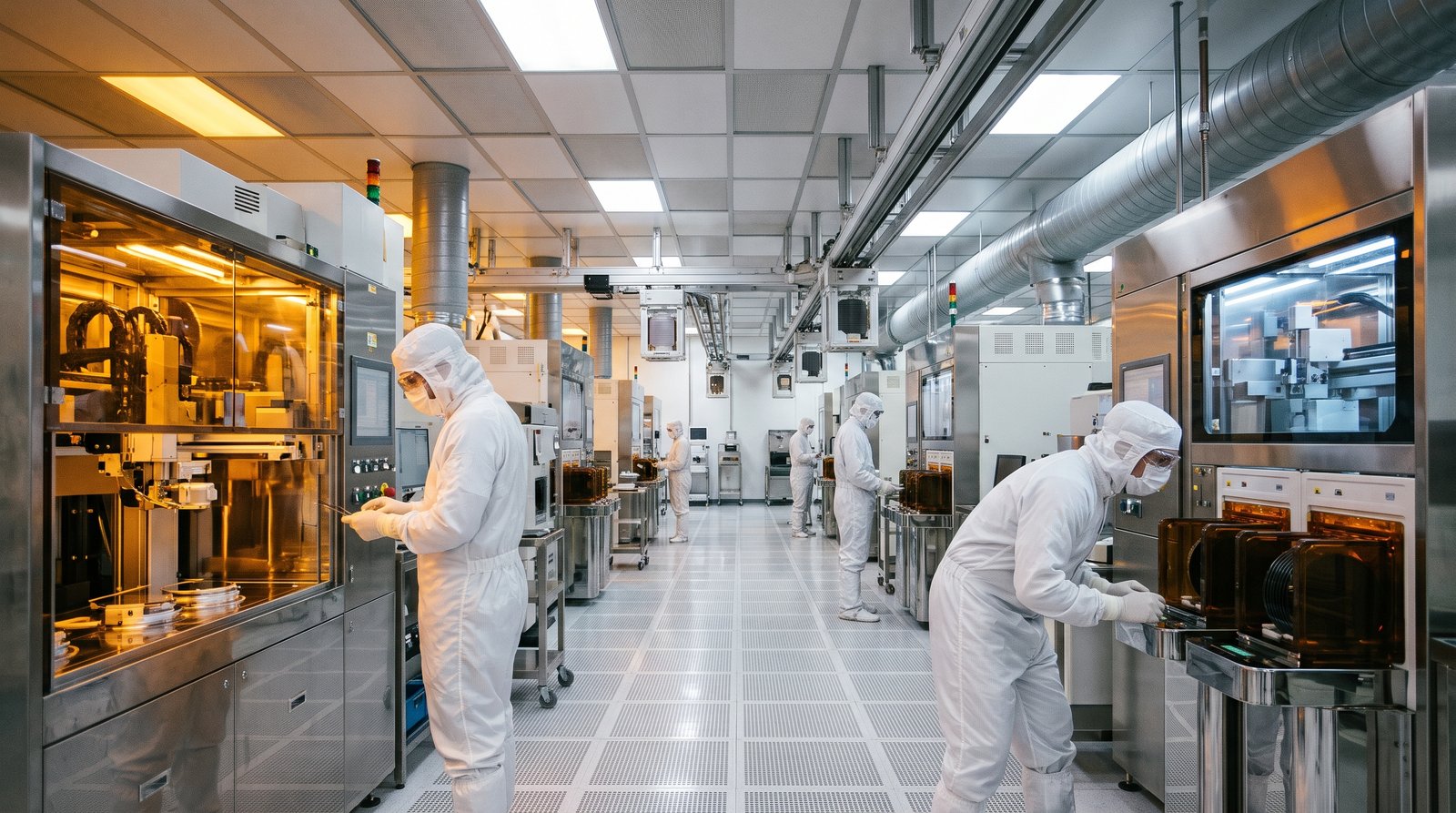
Because headline growth stays propped up by tech investment while energy and service costs remain sticky, interest rates have stayed higher for longer than traditional manufacturers and small businesses hoped.
Corporate Debt in AI Data Centers: The Hidden Balance-Sheet Shift
For the past three years, Big Tech funded its artificial intelligence expansion almost entirely out of massive cash reserves and free cash flow. That era is quietly shifting.
As annual infrastructure budgets climb toward hundreds of billions of dollars, analysts are closely tracking rising corporate debt in AI data centers. Rather than draining cash balances, major cloud operators and specialized "neocloud" infrastructure providers are increasingly tapping corporate bond markets and private credit facilities to finance multi-year server and power commitments.
That introduces a critical question for markets heading into 2027: when will enterprise software revenues catch up to hardware spending? If end-user corporate ROI from AI tools scales smoothly, this debt-funded buildout will look visionary. If enterprise adoption lags, highly leveraged data center operators could face sharp margin compression.
Navigating a Split Global Economy
For founders, investors, and business operators, understanding the global economic growth forecast 2026 requires looking past single aggregate numbers. Averages hide reality when two halves of the economy are moving at completely different speeds.
⢠Follow Physical Bottlenecks: In an AI-driven cycle, the most durable pricing power belongs to companies controlling scarce physical inputsâÂÂelectrical grid equipment, thermal management, specialized semiconductors, and reliable baseload power. ⢠Stress-Test Energy & Rate Exposure: Businesses operating on the traditional side of the economy cannot rely on rapid rate cuts or cheap energy returning overnight; operational efficiency and supply-chain diversification remain essential. ⢠Watch the CapEx-to-Revenue Ratio: The single most important macroeconomic indicator over the next 12 months is whether corporate AI spending translates into measurable, broad-based revenue outside the semiconductor supply chain.
Until energy markets stabilize and AI productivity spreads beyond tech balance sheets, the global economy will continue running on two very different tracks.
Frequently Asked Questions (FAQ)
What is meant by a two-speed global economy in 2026? A two-speed global economy describes the sharp divergence between rapidly growing AI, semiconductor, and digital infrastructure sectors and slower-growing traditional industries weighed down by elevated energy costs, trade friction, and tight credit conditions.
Which countries benefit most from AI hardware exports? Economies central to advanced semiconductor fabrication, high-bandwidth memory, and AI server assemblyâÂÂsuch as Taiwan, South Korea, and key electronics hubs in Southeast AsiaâÂÂhave experienced strong export growth driven by global data center demand.
How does the AI boom affect global inflation and interest rates? While AI software aims to improve long-term business productivity, the immediate physical construction of massive data centers increases demand for electricity, copper, and industrial equipment, keeping inflationary pressures alive and complicating central bank rate cuts.
Why are tech companies taking on corporate debt for AI data centers? Because the capital required to build gigawatt-scale AI campuses and purchase millions of advanced GPUs now exceeds annual free cash flow for several operators, companies are issuing corporate bonds and using private credit to fund long-term infrastructure expansion.